The South African Weather Service (SAWS) issued multiple warnings earlier in the week, predicting icy conditions, low visibility, and road closures. As temperatures plummeted, major routes such as the N3 highway between Johannesburg and Durban were temporarily closed due to treacherous driving conditions, stranding dozens of vehicles and delaying freight transport.
Emergency services have been on high alert, with rescue efforts underway to assist stranded motorists and provide shelter to vulnerable communities. In rural areas, snowfall of up to 20 centimeters was recorded, with reports of livestock deaths and isolated farmsteads being cut off from major roads.
While snowfall is not entirely uncommon in South Africa’s mountainous regions, the intensity and reach of this week’s storm has been described as one of the most severe in over a decade. Schools in affected areas have been closed, and power outages have been reported in several towns as snow and ice weighed down power lines and caused infrastructure damage.
Despite the challenges, the snowfall has also brought moments of joy and wonder. Social media platforms have been flooded with images and videos of snow-covered landscapes, children building snowmen, and even residents skiing down village streets. Tourism operators in areas such as Sani Pass and the Southern Drakensberg have seen a temporary uptick in interest from domestic travelers eager to experience the rare winter wonderland.
Authorities continue to advise caution, urging residents to avoid unnecessary travel and to dress warmly as another cold front is expected to push through the region in the coming days. Disaster management teams remain deployed, with humanitarian organizations assisting in distributing blankets, food parcels, and fuel to those in need.
As South Africa grapples with this unusual weather pattern, experts are also pointing to broader concerns about shifting climate trends and their potential impact on the country’s already fragile infrastructure and rural communities.
]]>Initial reports indicate that entire villages were flattened, with roofs torn from homes, trees uprooted, and floodwaters submerging vast areas. In urban centers like Beira and Quelimane, roads, bridges, and utility lines have been severely damaged, cutting off access to essential services. Schools, hospitals, and markets have also been destroyed, leaving communities without basic resources. Coastal areas bore the brunt of the storm surge, which inundated agricultural lands, further jeopardizing food security in a region already grappling with recurring droughts and poverty.
The human toll of Cyclone Chido is staggering, with over 100 confirmed fatalities and thousands more injured or missing. Relief organizations estimate that more than 200,000 people have been displaced, many of whom are now living in overcrowded shelters with limited access to clean water, food, and medical supplies. The risk of disease outbreaks, including cholera and malaria, looms large as floodwaters stagnate and sanitation systems collapse.
The Mozambican government, in collaboration with international aid agencies, has launched an emergency response to provide immediate relief to affected communities. Efforts are underway to deliver food, water, and medical supplies to hard-hit areas, though logistical challenges persist due to damaged infrastructure. Helicopters and boats have been deployed to reach isolated regions, while volunteers and aid workers are working tirelessly to assist survivors.
Rebuilding after Cyclone Chido will require significant resources and international support. The government has announced plans to prioritize the reconstruction of homes, schools, and health facilities, as well as the repair of critical infrastructure like roads and bridges. To mitigate future risks, there is a growing emphasis on integrating climate-resilient measures into rebuilding efforts, including constructing cyclone-resistant buildings and improving flood defenses.
The devastation caused by Cyclone Chido underscores the urgent need for global action on climate change, particularly in supporting vulnerable nations like Mozambique. As the country begins the long road to recovery, it serves as a stark reminder of the human and economic costs of extreme weather events fueled by a warming planet.
]]>The surprise snowfall came as a result of an unusual cold front moving through the region, catching many off guard. Residents shared photos of snow-covered landscapes, with children and adults alike reveling in the novelty of building snowmen and having snowball fights. The scenic beauty of the snow-draped mountains drew photographers and tourists, eager to capture the enchanting scenes.
While the snowfall brought joy and excitement, it also posed challenges. Some roads were temporarily closed due to icy conditions, and a few communities faced power outages as the snow weighed down on trees and infrastructure. However, local authorities were quick to respond, ensuring that necessary services were restored swiftly.
The phenomenon sparked conversations about climate change and its unpredictable effects on weather patterns in regions typically known for their warmth. It served as a reminder of the importance of preparedness and adaptability in the face of shifting climates.
Overall, the surprise snowfall was a rare and memorable event that showcased the beauty of South Africa’s diverse landscape, even in its most unexpected forms.
]]>Exclusive News
A court in Argentina confirmed on Tuesday that eight physicians will stand trial for their alleged roles in the death of football legend Diego Maradona. Last year, the doctors were charged with “simple homicide with eventual intent,” as prosecutors argued that the patient could still be alive had he been treated properly. If found guilty, they could receive 8 to 25 years in jail, according to RT News.
Maradona died on November 25, 2020 in his home in Tigre, outside Buenos Aires, from a heart attack. He underwent surgery to remove a blood clot from his brain several weeks before his death.
A medical board appointed by investigators concluded in 2021 that the football star was in agony for 12 hours before his demise, and the team treating him was “plagued by irregularities and deficiencies.”
According to the Buenos Aires Herald, neurosurgeon Leopoldo Luciano Luque, one of the main defendants in the case, is accused of not performing “adequate follow-ups with controls and cardiological tests,” as well as having “systematically ignored and belittled the symptoms and signs compatible with heart failure that were reported to him,” among other things.
Other defendants are Maradona’s psychiatrist, psychologist, hospitalization coordinator, attending physician, a nursing coordinator, and two nurses.
Mario Baudry, a lawyer for the Maradona family, said on Wednesday that Maradona’s doctors “abandoned” him and “did nothing” to prevent his death.
Maradona’s daughter, Dalma, wrote on Instagram that “the process is painful and slow, but here we are and we will not stop until justice is done.”
The athlete struggled for decades with an addiction to drugs and alcohol. “When I took cocaine, I became a zombie, I was estranged from my family and society,” Maradona told TyC Sports in 2019.
Maradona captained Argentina’s national team that won the 1986 World Cup. The goal he scored in the quarterfinal against England has been described as ‘the goal of the century’. He was the manager of Argentina’s team between 2008 and 2010.
Read more
]]>Exclusive News
The Chinese-owned social media platform TikTok announced on Wednesday that it will crack down on “misinformation” about climate change and elevate “authoritative information” from independent fact-checkers. The changes will take effect on April 21, to mark Earth Day.
The new policy was announced in a blog post on “driving sustainability awareness” ahead of the environmentalist holiday. Believing it has “an important role to play in empowering informed climate discussions” on its platform, the company said it was rolling out “several initiatives that will help reduce harmful climate change misinformation while elevating authoritative information year-round.”
Starting Friday, content on the platform will be inspected for accuracy by TikTok’s “safety partners,” and labeled misinformation if it “undermines well-established scientific consensus,” such as “denying the existence of climate change or the factors that contribute to it,” the company said.
As UK’s Sky News pointed out, TikTok has “toughened its stance on harmful content” in recent months after facing pressure from Western governments on privacy and safety, as it is owned by the Chinese company ByteDance.
Earlier this month, British regulators fined TikTok £12.7 million ($15.9 million) for not removing users under the age of 13 and using their data without parental consent. Last month, the head of the US spy agency NSA described the platform as China’s “Trojan horse” that can present “divisive material” to the American public.
The US federal government and half the states have banned TikTok on official devices. In the name of banning TikTok altogether, some US lawmakers have proposed the RESTRICT Act, which critics say would enable total surveillance and censorship of all social media.
The Chinese government has insisted that it “takes data privacy and security very seriously” and has never asked – nor will it ask – “any company or individual to collect or provide data, information or intelligence located abroad against local laws.”
TikTok’s response to government pressure mirrors that of Silicon Valley-based platforms such as Facebook, Twitter and YouTube, all of which embraced varying degrees of censorship and “content moderation” after the 2016 US presidential election.
Independent journalists granted access to Twitter’s internal documents have shown that much of the censorship push was driven by the “Russiagate” conspiracy theory, promoted by government officials, media outlets and newly minted “misinformation experts” working together in what has been dubbed the “censorship-industrial complex.”
Read more
]]>Exclusive News
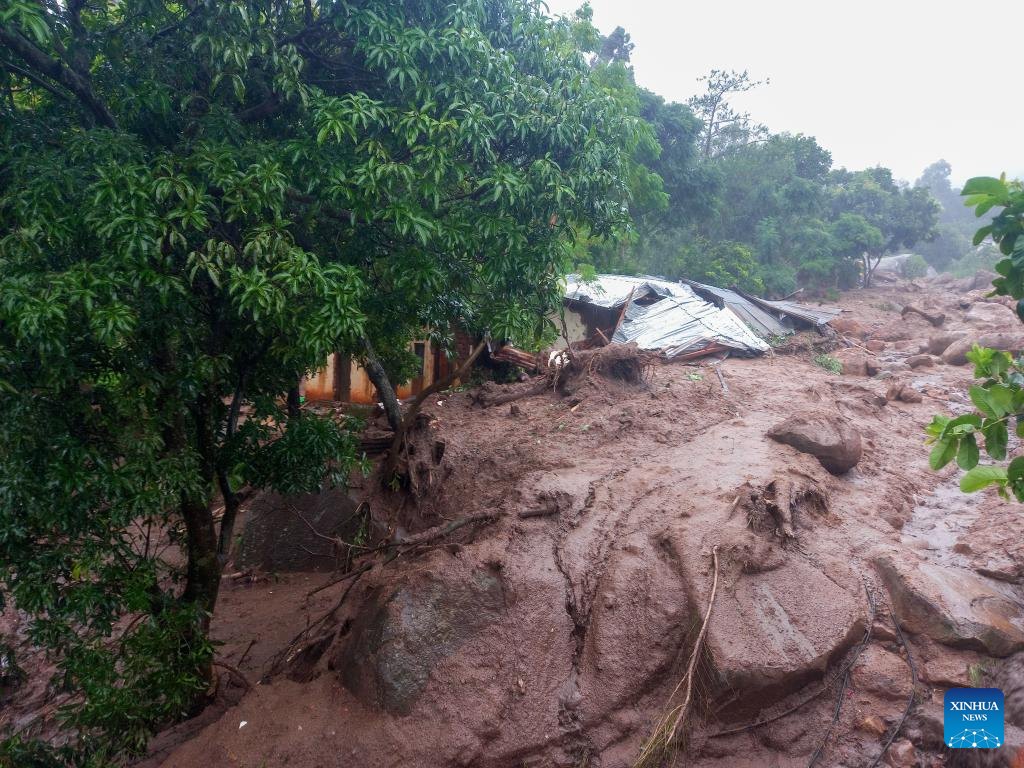
Cyclone Freddy has killed more than 60 people and injured dozens in Malawi and Mozambique as it slammed into Southern Africa for the second time in a month.
Freddy is one of the strongest cyclones ever recorded in the Southern Hemisphere and could be the longest-lasting tropical one, according to the World Meteorological Organization.
It pummelled central Mozambique on Saturday, ripping roofs off buildings and bringing widespread flooding around the port of Quelimane before moving inland towards Malawi, where it unleashed torrential rains that caused landslides.
In Malawi’s main commercial hub of Blantyre, the central hospital had received at least 60 bodies by early afternoon on Monday, Marion Pechayre, Doctors Without Borders country director, told the news agency Reuters, adding that about 200 injured people were being treated in the hospital.
The injuries were from falling trees, landslides and flash floods, she said. “A lot of [houses] are mud houses with tin roofs, so the roofs fall on people’s heads.”
The Red Cross said at least 66 people in Malawi have been killed, 93 have been injured and 16 were missing.
Later on Monday, the president declared a state-of-disaster in several southern districts including Blantyre.
President Lazarus Chakwera “has noted with grave concern the devastation that Cyclone Freddy is currently bringing to most districts… and declared a state of disaster in the Southern region,” the presidency said a statement.
Six dead in Mozambique
At least six people died in the Mozambique port town of Quelimane, which was struck hard by the cyclone, authorities told the public broadcaster on Monday.
The full extent of the damage and loss of life in Mozambique is not yet clear because power supplies and phone signals were cut off in some parts of the affected area.
Mozambique has seen more than a year’s worth of rainfall in the past four weeks, prompting concern that rivers could burst their banks and cause wide-scale flooding.
Malawi also has been battling the deadliest cholera outbreak in its history, and UN agencies have warned the situation could worsen because of Freddy.
Scientists say climate change is making tropical storms stronger as greenhouse gases trap heat in the atmosphere and oceans become warmer. When warm seawater evaporates, heat energy is transferred to the atmosphere, generating more powerful storms.
Read more
]]>Another magnitude-7 earthquake could soon occur in western Türkiye, warns seismologist Dogan Perincek, noting that it could happen at any moment, according to his observations in the Marmara Sea.
Speaking to RIA News, the expert stated that massive earthquakes happen in the region around the port city of Canakkale about every 250 years. The last one, according to Perincek, was 287 years ago, meaning that “the time has come.”
“For the past ten days, I have been recording increased seismic activity in Canakkale from the direction of the Sea of Marmara. I have engaged in daily monitoring and analysis of seismic activity in the country using special maps for more than ten years. For three years now, I have been predicting an earthquake in Canakkale,” the scientist said.
His warning comes after a series of devastating earthquakes rocked southeastern Türkiye and northern Syria on Monday. A 7.8-magnitude earthquake then one of 7.6, which were accompanied respectively by several dozen aftershocks, ended up toppling thousands of buildings in the region, leaving thousands dead and many more injured.
According to Turkish officials, the death toll in the country currently sits at over 14,000 people and as many as 64,000 have been injured. Many more are still missing. Meanwhile, the Syrian Health Ministry had recorded 1,262 deaths as of Wednesday.
The World Health Organization has also estimated that the disaster could ultimately impact the lives of as many as 23 million people in the region, particularly in Syria, which is already suffering from a decade-long armed conflict and a healthcare system that has been falling apart under the fighting, as well as from extensive US sanctions.
Rescuers, meanwhile, continue to clear the rubble and to look for survivors. Teams from dozens of countries are helping locals in both states. Turkish President Recep Tayyip Erdogan has officially declared a seven-day period of mourning for the victims of the disaster, which he has described as the worst since 1939.
]]>