


In August 2025, Egypt officially received 13 ancient Egyptian artefacts that had been smuggled to the United Kingdom and Germany, marking a significant stride in the country’s ongoing cultural restitution efforts. The artefacts were handed over during a formal ceremony at the Ministry of Foreign Affairs headquarters in the New Administrative Capital, in the presence of the Supreme Council of Antiquities (SCA) officials.
From the United Kingdom, the repatriated items include a diverse collection:
- A New Kingdom limestone funerary stela depicting Paser, overseer of builders, in a devotional scene with deities like Osiris, Isis, and the four sons of Horus.
- A red baboon-shaped amulet symbolizing divine protection.
- An 18th Dynasty green faience vessel and a blue faience funerary jar.
- A bronze crown fragment adorned with a feather, serpent, and ram’s head, once part of a statue of Osiris (22nd–26th Dynasties).
- A beaded funerary mask dating to the 26th Dynasty.
- Numerous faience and black stone funerary amulets.
From Germany, the recovered pieces include:
- A skull and hand from an unidentified mummy.
- An Ankh-shaped amulet — the ancient Egyptian symbol of life.
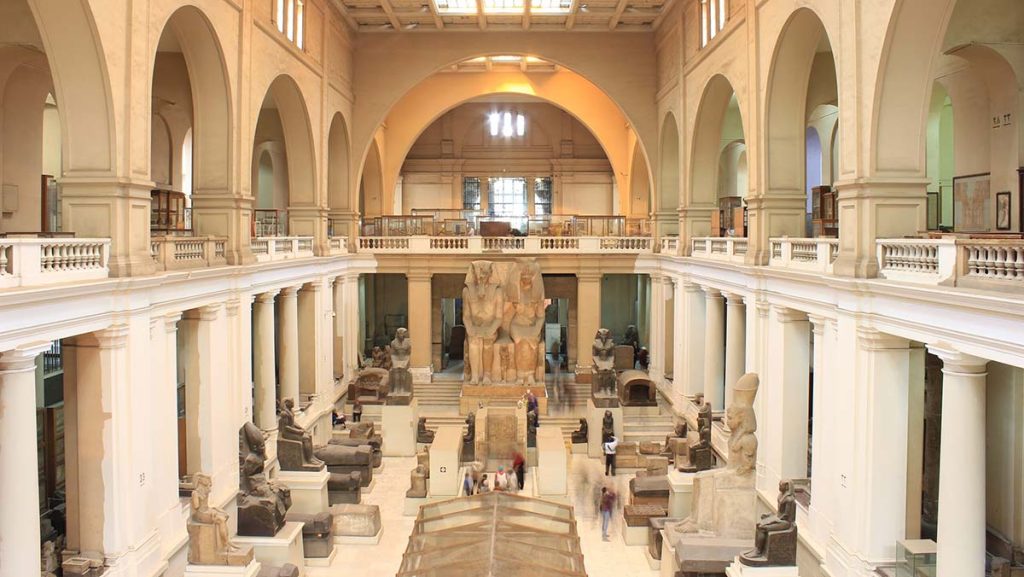
These recovered artefacts were transferred to the Egyptian Museum in Tahrir, where they are undergoing conservation and restoration ahead of inclusion in a dedicated exhibition of recently repatriated treasures.
Egypt’s Minister of Tourism and Antiquities, Sherif Fathy, hailed the return as emblematic of the government’s commitment to preserving its heritage and lauded the “fruitful cooperation” between Egypt and the British and German authorities. Meanwhile, Mohamed Ismail Khaled, Secretary-General of the SCA, confirmed that the London Metropolitan Police seized the items following confirmation that they had been illegally exported via an international smuggling ring. In Hamburg, German authorities proactively contacted the Egyptian embassy and arranged their return once provenance was established.
This repatriation reflects Egypt’s vigilant and sustained efforts to combat illicit antiquities trafficking, underlining the importance of international collaboration. It stands alongside other recent successful recoveries—such as the return of 67 artefacts from Germany in late 2024, which included masks, wall paintings, and bronze statuettes from Saqqara—as well as the high-profile restitution of a 3,400-year-old statue of King Ramses II from Switzerland in April 2024.
Egypt’s bold reclamation of its cultural heritage not only restores tangible artefacts but also reinforces the nation’s enduring identity and historical legacy.
Let me know if you’d like to explore any particular artefact or the broader restitution movement further!