


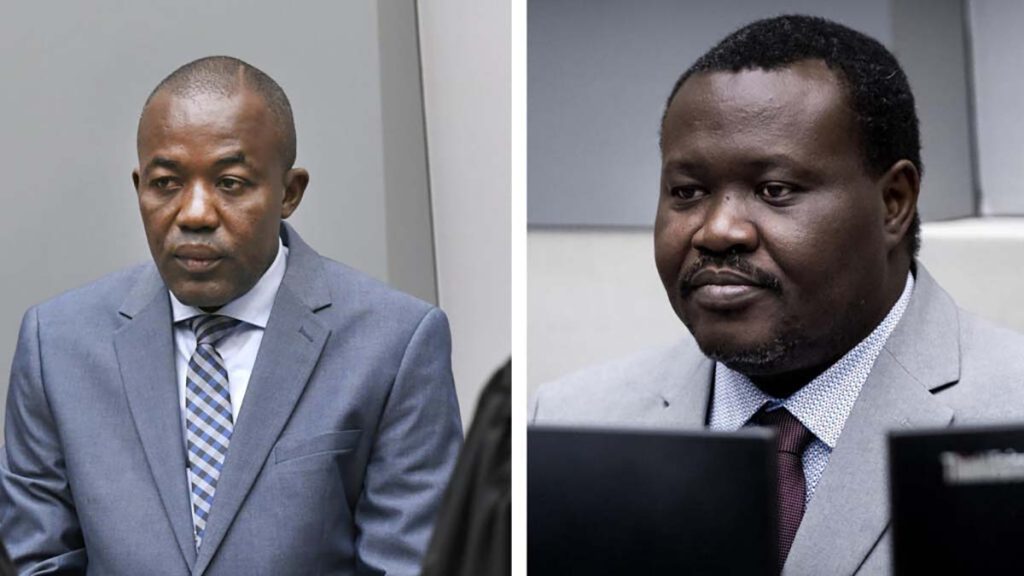
In a historic and sobering ruling, the International Criminal Court (ICC) in The Hague has sentenced Patrice‑Edouard Ngaïssona—the former head of the Central African Republic (CAR) Football Federation and ex-sports minister—to 12 years’ imprisonment for war crimes and crimes against humanity. His conviction, alongside that of Alfred Yekatom (nicknamed “Rambo”), marks a significant moment in international justice. Ngaïssona oversaw 28 criminal counts, while Yekatom received 15 years for 20 charges.
Ngaïssona had dual roles—as a high-ranking football executive and a senior leader of the Christian-dominated anti‑Balaka militia that emerged in response to the mainly Muslim Seleka rebellion in 2013. He abused this position to funnel funds, direct operations, and incite campaigns targeting Muslim civilians across CAR. Yekatom, a former Member of Parliament turned militia commander, led ground assaults in Bangui and elsewhere, where his fighters murdered, tortured, mutilated, and displaced thousands.
Thousands of civilians were killed or forced to flee, with harrowing acts — torture by amputation of fingers, toes, ears, forced burial, rape accusations, and widespread persecution—documented by over 170 witnesses and nearly 20,000 pieces of evidence. The trial lasted nearly four years, beginning in 2021. Both defendants pleaded not guilty throughout. Ngaïssona was acquitted on rape charges; Yekatom was cleared of recruiting child soldiers.
This ruling represents the first ICC prosecution tied specifically to the violence following the Seleka takeover in 2013, signifying a turning point in holding CAR’s power brokers accountable. ICC investigators first began probing these events in May 2014. Further cases—including that of alleged Seleka commander Mahamat Said Abdel Kani—are ongoing. Special courts in CAR are slated to begin further proceedings for other militia figures.
The trial underscores the ICC’s evolving role as the only permanent tribunal empowered to punish genocide, war crimes, crimes against humanity, and aggression. With support from the UN and European Union yet limited backing from non-member countries such as the U.S., China, and Russia, the ICC to date has prosecuted predominantly African militia leaders. Its jurisprudence continues to expand beyond non-state actors to influential elites tied to conflict.
For victims in CAR—thousands of whom were displaced, tortured, or killed—this conviction provides a measure of accountability and recognition. Though the nation remains fragile, with renewed rebel activity and external interventions (by Russian mercenaries and Rwandan forces), the verdict bolsters hope for long-term justice amid a fragile peace.