


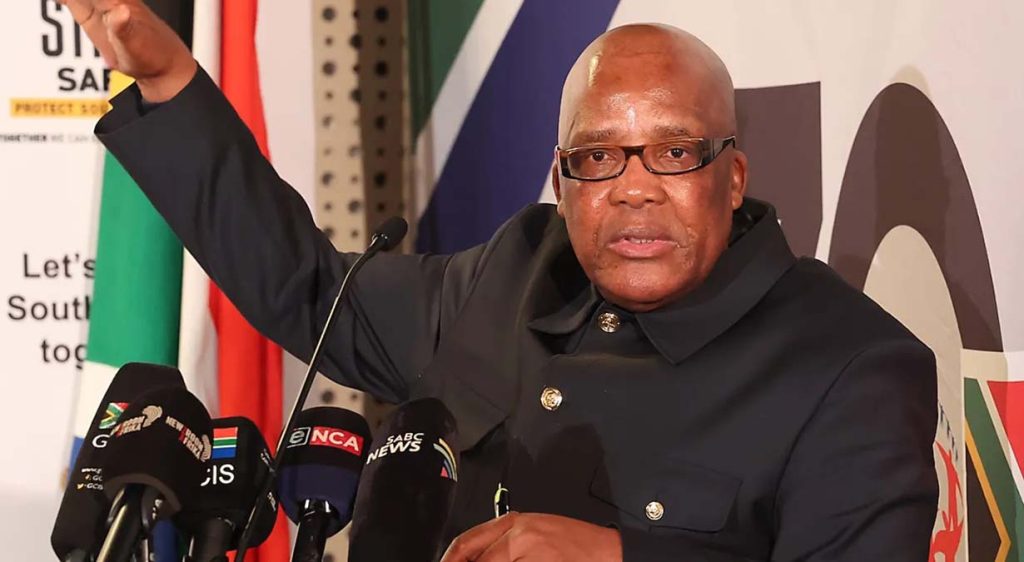
South Africa has reaffirmed its commitment to maintaining a strong HIV/AIDS response, even in the face of significant funding cuts from the United States. Health Minister Dr. Aaron Motsoaledi stated that while the withdrawal of U.S. support—particularly from the President’s Emergency Plan for AIDS Relief (PEPFAR)—poses challenges, the country’s HIV programme is not at risk of collapsing.
The U.S. recently cut about R7.9 billion in funding, affecting non-governmental organisations (NGOs) that provided vital services, especially for vulnerable populations like adolescent girls, sex workers, and pregnant women. The impact has already been felt: more than 8,000 PEPFAR-funded staff have been laid off, and thousands of patients have been transferred from NGO-run clinics to government facilities.
Despite this, South Africa’s response remains resilient. Over 90% of antiretroviral treatment (ART) funding is sourced from domestic resources, and the government continues to spend approximately R46.8 billion annually on HIV programmes. The National Treasury recently allocated R753 million in emergency funds to support provincial health services, research, and medicine distribution in response to the U.S. pullback.
Minister Motsoaledi assured the public that systems are in place to absorb the impact. Over 3,000 healthcare workers have been trained to ensure continuity of care. Weekly oversight meetings and consultations with civil society are helping coordinate efforts to manage the transition.
The government is also exploring alternative funding sources. It has already secured R1 billion from the Global Fund and is in talks with international partners like the Bill & Melinda Gates Foundation. Additionally, the South African National AIDS Council is engaging with the private sector to establish a long-term funding strategy.
Still, some concerns persist. Disruptions in treatment and staffing have raised fears about increased HIV transmission, especially among pregnant women, potentially reversing gains in preventing mother-to-child transmission. UNAIDS has warned that global funding reductions could result in 6 million new infections and 4 million deaths by 2029, with Southern Africa bearing the brunt.
Nevertheless, South Africa remains committed to achieving the UNAIDS 95-95-95 targets by 2030—ensuring that 95% of people with HIV know their status, 95% of those diagnosed are on treatment, and 95% of those on treatment are virally suppressed.
“The programme is not collapsing,” said Motsoaledi. “We are committed to protecting the gains we’ve made and continuing the fight against HIV.”