


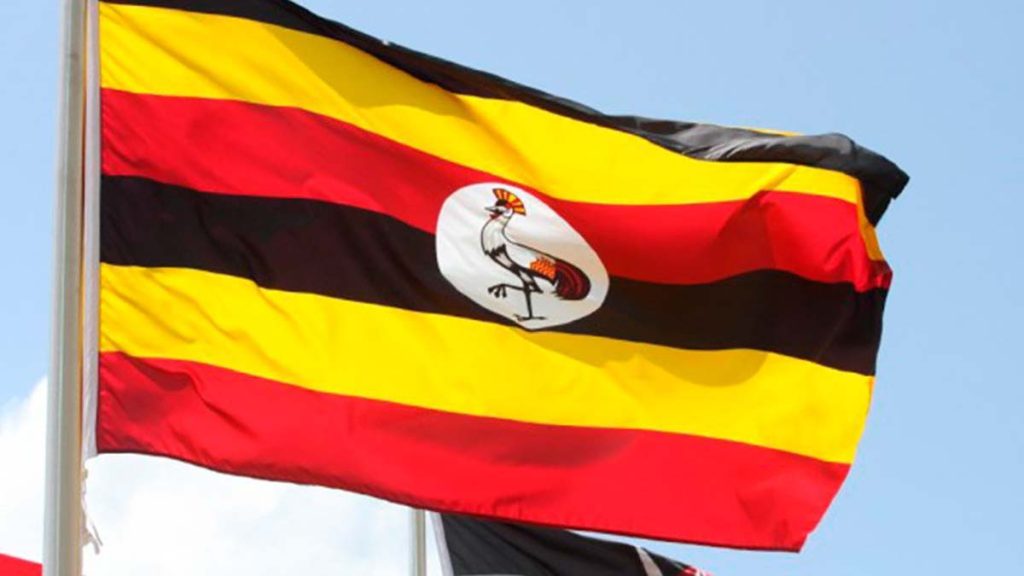
On August 21, 2025, Uganda announced it had reached a temporary agreement with the United States to receive certain individuals deported under a “third-country” policy. This arrangement is being framed as part of the Trump administration’s broader strategy to manage asylum seekers and undocumented migrants when repatriation to their countries of origin proves complicated.
Under the agreement, Uganda will accept deportees only if they have no criminal records and are not unaccompanied minors. Preference will be given to individuals from other African nations. While the deal is reportedly “concluded,” key details remain unresolved, including the number of deportees involved and the precise implementation timeline.
This development aligns Uganda with other countries like Eswatini and South Sudan, which recently accepted deportees from the U.S. Earlier migrations involved both criminal offenders and failed asylum seekers, prompting international scrutiny.
Controversy and Resistance
Human rights groups and domestic critics have voiced strong objections. Activists argue that the deal potentially violates international law, likening it to a form of human trafficking. In Uganda, opposition lawmakers and legal experts suggest that the government is using the agreement to “improve its image” ahead of the 2026 elections.
Moreover, this deal arrives amid strained U.S.–Uganda relations, particularly following tensions over Uganda’s harsh anti-LGBTIQ legislation in 2023 and subsequent U.S. sanctions in 2024 for human rights violations and corruption.
Uganda’s Dilemma
Some Ugandan officials have expressed unease about the arrangement. They have questioned how effectively the country can integrate individuals who have been “rejected by their own countries” and emphasized Uganda’s limited infrastructure to deal with such deportees.
Despite Uganda’s longstanding reputation for a progressive refugee policy—currently hosting nearly two million refugees, the largest refugee population in Africa—experts warn that this agreement could place additional pressure on the country’s already stretched resources.
This unfolding deal signals a notable shift in U.S. deportation strategy, redirecting individuals the U.S. deems inadmissible to third countries. Uganda’s participation raises significant humanitarian, political, and diplomatic questions. Let me know if you’d like to explore legal implications, Uganda’s refugee capacity, or U.S. policy frameworks in more depth.