


Last week, a series of drone strikes hit the town of Kalogi in South Kordofan, targeting a kindergarten, a hospital, and other civilian-use sites. According to World Health Organization (WHO), the death toll from these strikes rose to 114 people, including 63 children.
The first drone strike reportedly struck the kindergarten, killing many children instantly. As survivors and wounded children were being transported to a hospital, paramedics and first-responders were also hit in subsequent strikes — and the hospital itself came under attack. The targeting of a hospital and caregiver teams while they tried to assist the wounded has drawn condemnation from humanitarian and international-law observers as a grave breach of protections for civilians in conflict.
Among the broader human toll, critical concerns have arisen around medical capacity in Kalogi: local health infrastructure is limited, so many critically wounded had to be transferred to other hospitals outside the area — even as communications blackouts complicated rescue efforts. The strikes have widened an already devastating humanitarian crisis.
In response, the United Nations, including its Secretary-General, condemned the attacks as barbaric and called for immediate protection of children, civilians, and health-care facilities. Meanwhile, the head of WHO, Tedros Adhanom Ghebreyesus, urged unrestricted humanitarian access, more aid, and an end to the violence — stressing that attacks on nurseries and hospitals must stop.
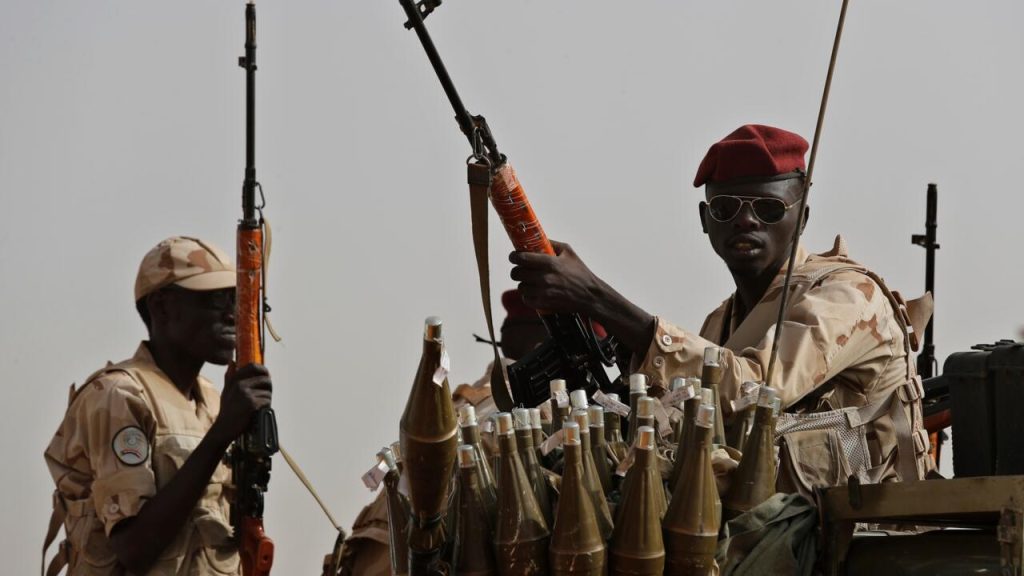
The strikes in Kalogi come as the civil war between the national army and the paramilitary Rapid Support Forces (RSF) deepens, especially in areas such as South Kordofan. The region’s strategic importance and recent intensification of conflict have placed civilians — especially children — in extreme danger.
For the families and communities affected, the loss of so many children — some just attending kindergarten — is unimaginable. The targeting of civilians, rescue workers, and medical facilities signals a worrying disregard for human life and international humanitarian law. As the death toll mounts and survivors struggle to access care, urgent humanitarian relief and renewed global pressure for ceasefire and civilian protection become even more critical.