


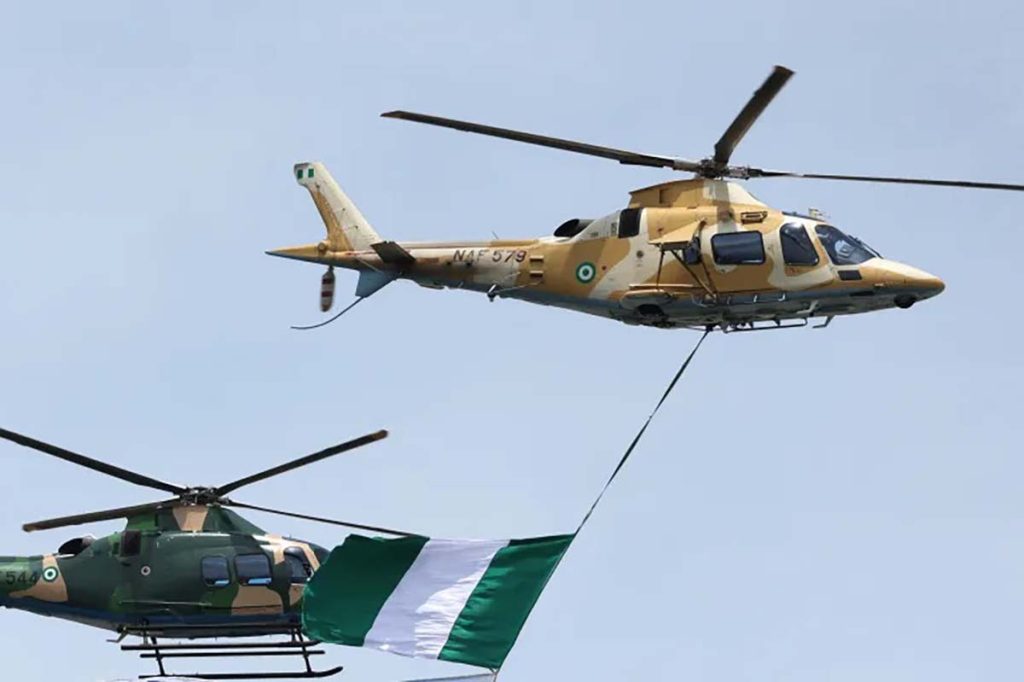
A recent Nigerian military airstrike in northwest Zamfara State has resulted in the deaths of at least 20 civilians, including members of local vigilante groups. The incident occurred in Tungar Kara village, where community members had mobilized to defend against an attack by armed groups. The Nigerian Air Force mistakenly identified these civilians as fleeing bandits and launched the strike, leading to the tragic loss of life.
Local residents reported that the victims were part of the Civilian Joint Task Force and other community defense groups. They had gathered to support an attacked community and were in the process of retrieving livestock when the airstrike occurred. Witnesses counted up to 20 bodies, with several others injured and in critical condition.
The Nigerian Air Force has expressed regret over the incident and pledged to investigate the circumstances surrounding the airstrike. A spokesperson stated that the operation aimed to target bandits responsible for violent activities in the region. However, the mistaken identification of civilians highlights ongoing challenges in distinguishing between armed groups and local residents during military operations.
This incident is part of a troubling pattern of civilian casualties resulting from military airstrikes in Nigeria. Since 2017, such operations have led to the deaths of approximately 400 civilians, according to the Lagos-based SBM Intelligence research firm. These strikes are often conducted against armed groups operating in the northern regions, but the reliance on aerial bombardment has raised concerns about the accuracy of intelligence and the protection of civilian lives.
Human rights organizations, including Amnesty International, have condemned the airstrike and called for an independent and impartial investigation. They emphasize the need for accountability and reforms to prevent future civilian casualties. The Nigerian government’s response to these calls will be closely scrutinized, as previous incidents have raised questions about transparency and the effectiveness of military oversight.
As Nigeria continues its efforts to combat armed groups in the northwest, it faces the dual challenge of ensuring security while safeguarding the lives of its citizens. The recent airstrike underscores the urgent need for improved intelligence gathering, precision in military operations, and a commitment to upholding human rights standards.