


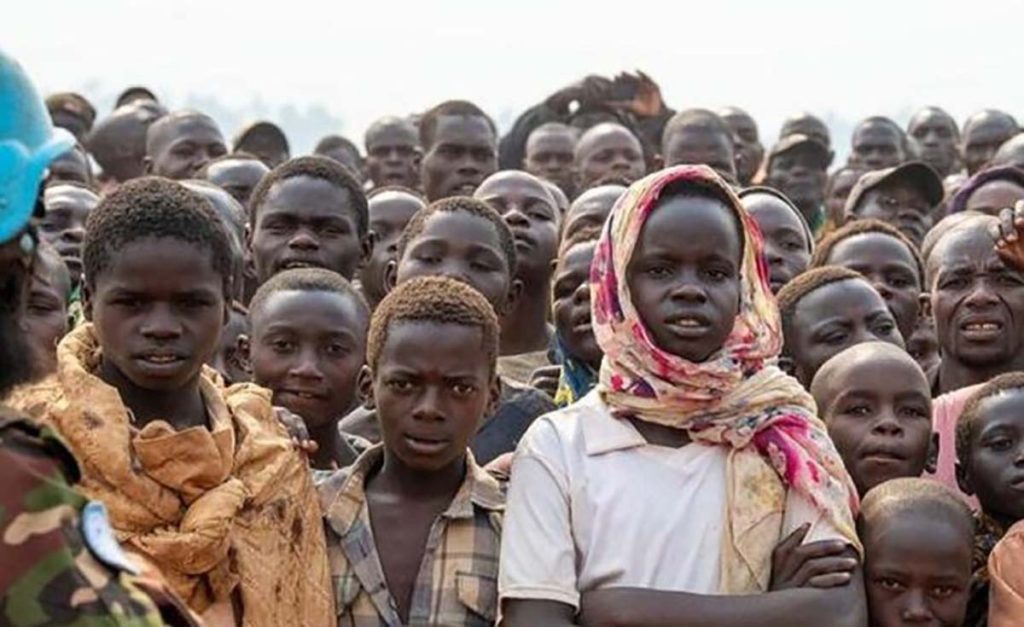
Over 25 million people in the Democratic Republic of the Congo (DRC) are now enduring acute hunger, marking one of the most severe food crises in the country’s history. According to the latest data from the Integrated Food Security Phase Classification (IPC), about 28 million Congolese are facing high levels of food insecurity (IPC Phase 3 and above). Among them, 3.9 million people are classified under “emergency” (Phase 4), where the threat to life is immediate.
The spike in hunger is driven by a deadly mix of factors: intensifying conflict, a collapsing economy, and soaring food prices. Ongoing fighting in the eastern provinces — particularly in North Kivu, South Kivu, Ituri, and Tanganyika — has uprooted countless families, disrupted farming, and made markets less reliable. Meanwhile, inflation, a depreciating national currency, and broken supply chains have sent the cost of staple foods skyrocketing. Basic commodities like maize flour, palm oil, and cassava have become up to 37% more expensive than in late 2024.
Internally displaced persons (IDPs) are among the most severely affected. More than 2 million Congolese who have been forced from their homes are now experiencing crisis-level food insecurity, and 738,000 are at emergency levels. Forced displacement—driven by renewed rebel advances, especially by the M23 group—has emptied many IDP sites in eastern DRC, leaving once-crowded camps dangerously under-resourced.
In response to this growing catastrophe, the FAO and WFP are sounding the alarm: they estimate US$ 399 million is urgently needed over the next six months to scale up food assistance. Without a rapid increase in funding, the hunger crisis could worsen dramatically.
This is not just a statistic — 28 million people include families who are skipping meals, cutting back on nutrition, or going hungry altogether. The sheer scale of the crisis underlines how conflict, economic shocks, and limited humanitarian access can converge to dramatically deepen suffering. Urgent global support is critical not only to save lives now, but to build resilience and address the root causes of food insecurity in the DRC.