


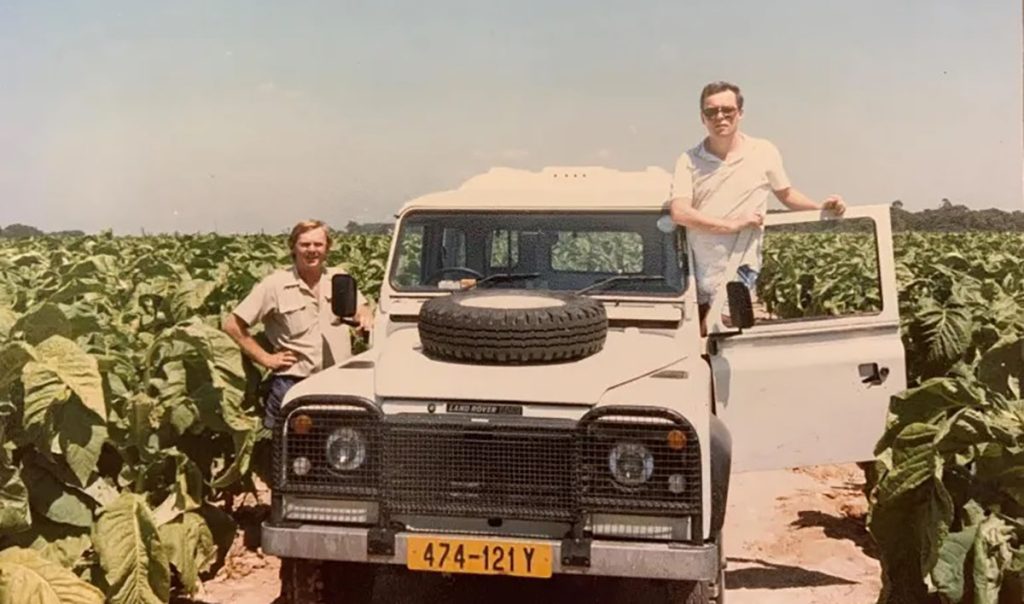
Zimbabwe’s land reform program, initiated in the early 2000s under President Robert Mugabe, remains a deeply divisive chapter in the nation’s history. While the policy aimed to rectify colonial-era land imbalances by redistributing land to Black Zimbabweans, its implementation led to significant hardships for both white commercial farmers and many Black farmers.
The government’s land seizures were often violent, displacing approximately 4,000 white farmers and their families. These individuals lost not only their homes but also their livelihoods, as their farms were central to the country’s agricultural output. The abrupt nature of the evictions, coupled with inadequate support for resettled communities, resulted in a sharp decline in agricultural productivity and economic instability.
In response to international pressure and the need to mend relations with Western nations, the Zimbabwean government agreed in 2020 to compensate the displaced farmers. A $3.5 billion compensation deal was signed, focusing on reimbursing for infrastructure improvements rather than the land itself. However, the compensation process has been slow and contentious. As of April 2025, only a small fraction of the agreed amount has been disbursed, and many farmers remain dissatisfied with the terms and pace of payments.
The land reform’s impact on Black farmers has been equally profound. While the policy intended to empower Black Zimbabweans by providing them with land, the execution often fell short. Many resettled farmers lacked the necessary resources, training, and support to succeed in agriculture. Consequently, large tracts of land remained underutilized or fell into disrepair, exacerbating food insecurity and economic challenges in rural areas.
The scars of Zimbabwe’s land reforms are evident in the ongoing struggles of both displaced white farmers and many Black farmers. The slow pace of compensation and the challenges faced by resettled communities underscore the complexities of addressing historical injustices. Moving forward, a more inclusive and transparent approach is essential to heal the divisions and build a more equitable agricultural sector in Zimbabwe.