


In early September 2025, health authorities in the DRC declared an Ebola virus disease (EVD) outbreak in Kasai Province after a cluster of suspected cases and deaths in Bulape and Mweka health zones. The outbreak, caused by the Zaire strain, follows the fatal illness of a pregnant woman who had presented with haemorrhagic symptoms.
From the start, WHO has moved quickly to mount a multi‑pronged response alongside the DRC Ministry of Health and partners. Key measures include:
- Vaccination: The WHO began administering the Ervebo vaccine using a ring vaccination strategy to protect frontline health workers and contacts of confirmed cases. An initial batch of 400 doses (drawn from a 2,000‑dose stockpile in Kinshasa) was delivered to Bulape. Additional doses (≈ 45,000) have been approved for shipment to bolster control efforts.
- Supplies & logistics: WHO airlifted more than a dozen tonnes of supplies, including personal protective equipment (PPE), mobile laboratory equipment, patient isolation materials, and water, sanitation, and hygiene (WASH) supplies.
- Human resources and technical support: Dozens of WHO experts have been deployed (in surveillance, clinical care, infection prevention & control (IPC), logistics, lab diagnostics, and risk communication). Treatment centres are being established, and health workers are being trained in safe care and detection.
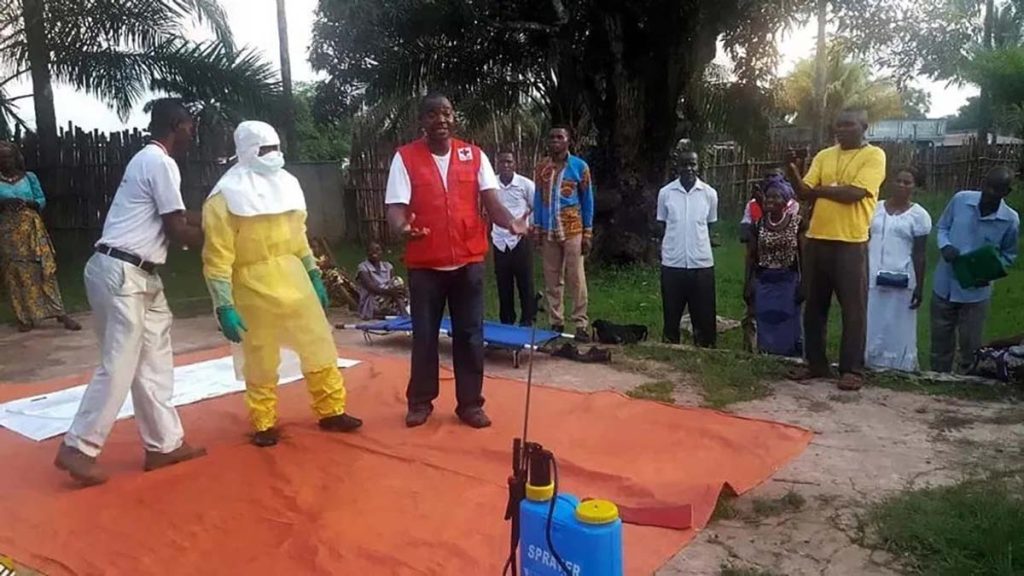
- Community engagement & risk communication: WHO is working to ensure that communities are informed about the risks, the symptoms of Ebola, the importance of early reporting, safe burial practices, and infection control.
Challenges & Risk Factors
Several factors complicate the response:
- Remote geography and access constraints: Bulape and surrounding zones are hard to reach; travel can take a full day from provincial capitals, and infrastructure is limited.
- Risk of spread: A case has been confirmed about 70 km from the current epicentre, raising concerns about spread to neighbouring regions or countries.
- Resource and logistical limitations: Although vaccine stocks exist, timely delivery, cold chain maintenance, funding, and coordination among multiple partners are critical challenges.
WHO assesses the public health risk as high nationally, moderate regionally, and low globally, given the containment measures underway. The window for effective intervention is narrow, but with sustained international support, good coordination, and community cooperation, control of the outbreak remains possible.